Introduction
Car overheating is one of the most common yet serious problems vehicle owners encounter, and it can lead to costly repairs if not addressed promptly. When an engine overheats, it means the temperature inside the engine has exceeded the safe operating range, often due to a failure in the cooling system. Modern engines are designed to operate efficiently within a specific temperature window, and any deviation from this can affect performance, fuel efficiency, and long-term durability.
How a Car’s Cooling System Works
To understand Car Overheating, it is important to know how the cooling system functions. The engine generates heat as fuel burns and mechanical parts move rapidly. The cooling system regulates this heat using components such as the radiator, coolant, thermostat, water pump, and cooling fan. Coolant circulates through the engine, absorbing heat and transferring it to the radiator, where it is released into the air. This continuous cycle keeps the engine at an optimal temperature.
Common Causes of Car Overheating
There are several that can lead to car overheating. One of the most common is low coolant levels, which reduces the system’s ability to absorb and dissipate heat. A faulty thermostat can also cause problems by preventing coolant from flowing properly. Other causes include a damaged radiator, leaking hoses, a malfunctioning water pump, or a broken cooling fan. In some cases, overheating may result from engine-related issues such as a blown head gasket, which allows coolant to leak into the engine.
The Role of Coolant in Temperature Regulation
Coolant, also known as antifreeze, Car Overheating plays a crucial role in maintaining engine temperature. It is a mixture of water and chemicals that prevent freezing in cold weather and boiling in hot conditions. Without sufficient coolant, the engine cannot effectively heat, leading to rapid temperature increases. Regularly checking coolant levels and ensuring the correct mixture is used are essential steps in preventing overheating.
Warning Signs of an Overheating Engine
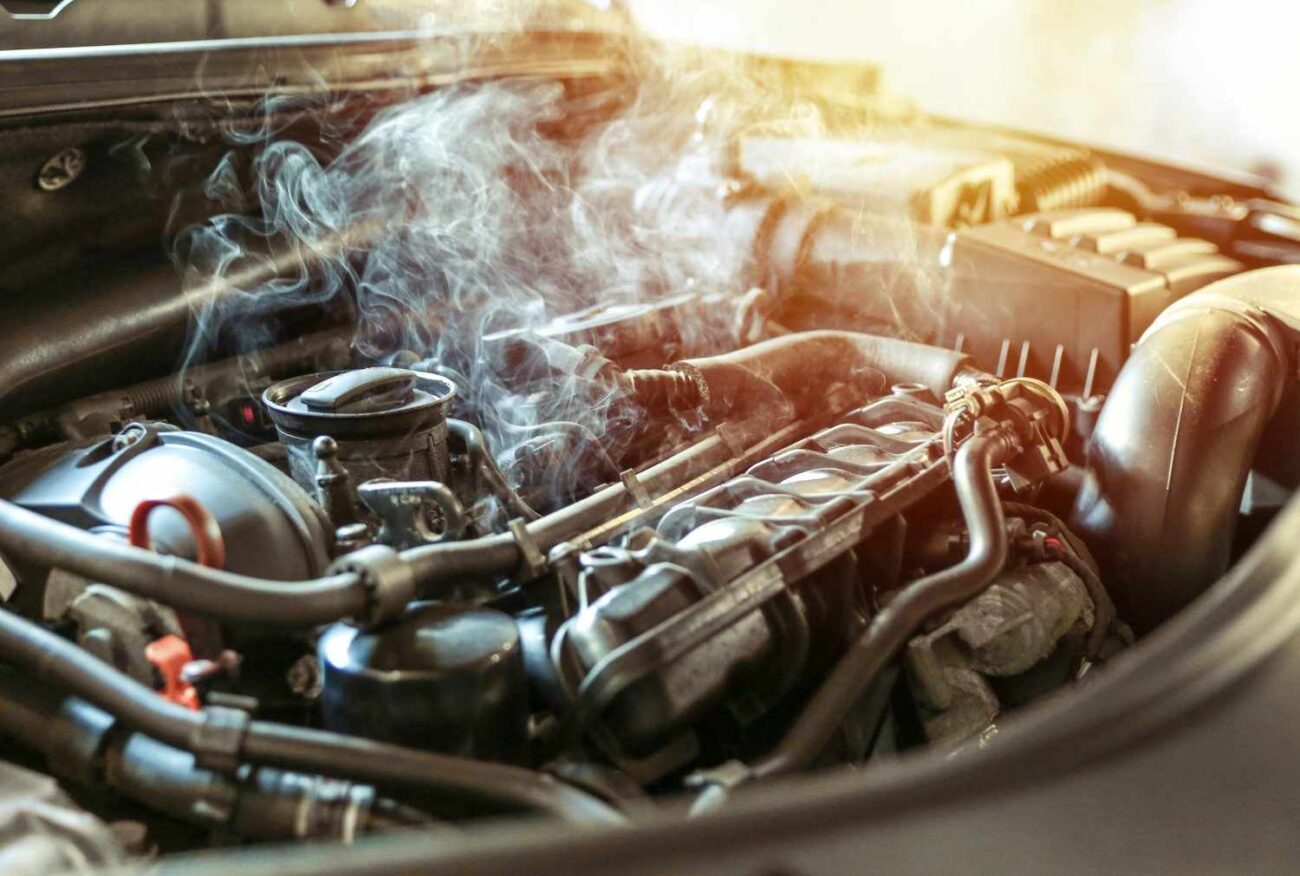
Recognizing the warning signs of overheating can help prevent serious damage. One of the most obvious indicators is the temperature gauge rising above the normal range. Car Overheating Drivers may also notice steam coming from under the hood, unusual smells, or a decrease in engine performance. In some cases, warning lights on the dashboard may illuminate. Ignoring these signs can lead to severe engine damage, including warped components and complete engine failure.
What Happens When a Car Overheats
When a Car Overheating overheats, the internal components of the engine are subjected to extreme stress. Metal parts can expand and warp, causing misalignment and reduced efficiency. The engine oil may lose its lubricating properties, increasing friction and wear. In severe cases, overheating can a blown head gasket or cracked engine block, both of which are expensive to repair. Understanding these consequences highlights the importance of addressing overheating immediately.
Immediate Steps to Take When Overheating Occurs
If a car begins to overheat while driving, it is important to act quickly but safely. Car Overheating The first step is to pull over to a safe location and turn off the engine. Opening the hood can help release heat, but it should be done cautiously to avoid burns. Drivers should never attempt to open the radiator cap while the engine is hot, as this can cause hot coolant to spray out. Allowing the engine to cool down before inspecting it is essential.
Preventive Maintenance to Avoid Overheating
Regular maintenance is the best way to prevent car overheating. This includes checking coolant levels, inspecting hoses for leaks or cracks, and ensuring the radiator is clean and free of debris. Replacing worn-out components such as the thermostat or water pump can also help maintain the efficiency of the cooling system. Routine servicing ensures that potential issues are identified and addressed before they become major problems.
The Importance of the Radiator
The radiator is a key component of the cooling system, responsible for dissipating heat from the coolant. Over time, radiators can become clogged with dirt, rust, or mineral deposits, Car Overheating reducing their efficiency. A damaged radiator may also develop leaks, which can lead to coolant loss. Keeping the radiator clean and in good condition is essential for preventing overheating.
Thermostat Function and Failure
The thermostat regulates the flow of coolant based on engine temperature. When the engine is cold, the thermostat remains closed to allow it to warm up quickly. Once the optimal temperature is reached, it opens to allow coolant to circulate. A faulty thermostat that remains closed can prevent coolant from flowing, causing the engine to overheat. Replacing a malfunctioning thermostat is a simple yet effective way to avoid this issue.
Water Pump and Coolant Circulation
The water pump is responsible for circulating coolant throughout the engine and radiator. If the water pump fails, coolant cannot move efficiently, leading to overheating. Signs of a failing water pump include unusual noises, coolant leaks, or fluctuating temperature readings. Regular inspection and timely replacement of the water pump are important for maintaining proper cooling.
Cooling Fan and Airflow
The cooling fan helps regulate temperature by increasing airflow through the radiator, especially when the vehicle is stationary or moving slowly. A malfunctioning fan can reduce the cooling system’s ability to dissipate heat, causing the engine to overheat. Ensuring that the fan operates correctly is an important aspect of vehicle maintenance.
Driving Habits and Their Impact on Overheating
Driving habits can also influence the likelihood of overheating. Aggressive driving, frequent and start conditions, and driving in extremely hot weather can put additional strain on the cooling system. Adopting smooth driving techniques and avoiding excessive engine нагрузка can help maintain optimal temperature levels.
Environmental Factors and Overheating
External conditions such as high temperatures, heavy traffic, and mountainous terrain can contribute to overheating. In hot climates, the cooling system must work harder to maintain safe temperatures. Ensuring that the vehicle is well-maintained and using appropriate coolant can help mitigate these environmental effects.
The Role of Engine Oil in Temperature Control
Engine oil not only lubricates moving parts but also helps dissipate heat. Low or degraded oil can increase friction and contribute to overheating. Regular oil changes and maintaining proper oil levels are essential for overall engine health and temperature regulation.
Advanced Cooling Technologies in Modern Cars
Modern vehicles are equipped with advanced cooling technologies, including electronic thermostats, improved radiator designs, and temperature sensors. These innovations enhance efficiency and provide better control over engine temperature. Understanding these systems can help drivers appreciate the of proper maintenance.
Long-Term Effects of Repeated Overheating
Repeated Car Overheating can cause cumulative damage to the engine. Components may weaken over time, leading to reduced performance and increased repair costs. Preventing overheating is not just about avoiding immediate damage but also about preserving the long-term reliability of the vehicle.
When to Seek Professional Help
While some Car Overheating issues can be addressed by the driver, others require professional diagnosis and repair. Persistent overheating, coolant leaks, or unusual engine behavior should be evaluated by a qualified mechanic. Professional inspection ensures that underlying problems are identified and resolved effectively.
Conclusion
Car overheating is a serious issue that can have significant consequences if ignored. By understanding how the cooling system works, recognizing warning signs, and performing regular maintenance, drivers can prevent overheating and ensure their vehicles remain reliable. Taking proactive steps not only saves money on repairs but also enhances safety and performance. Ultimately, awareness and care are the keys to keeping an engine cool and functioning efficiently.
You May Also Read: Euroyungs com
